
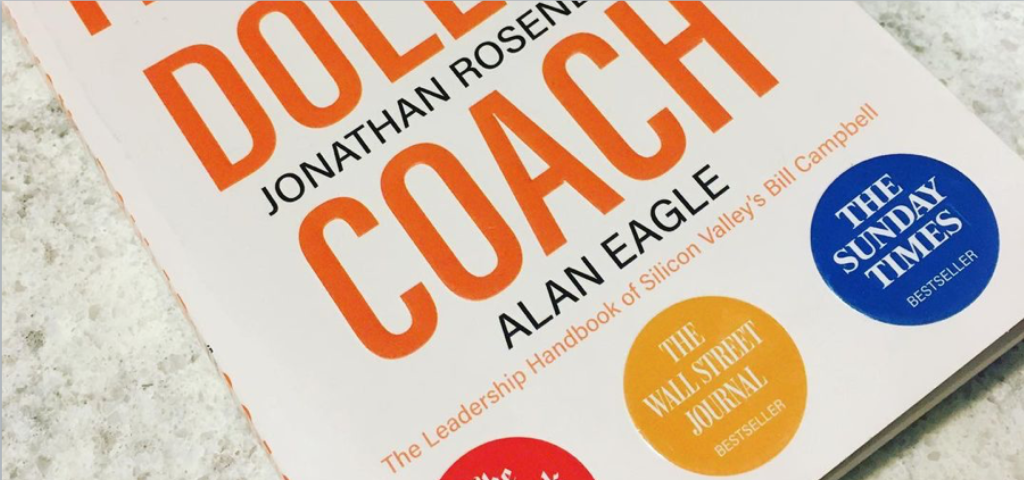
Just as professional athletes and teams need coaches, so do businesspeople and companies. But finding the right coach can be difficult. So, start with this book and seek out the wisdom of the legendary coach behind Silicon Valley.

Overview of “Trillion Dollar Coach”
This book was written by former Google CEO Eric Schmidt and others to share the philosophy and management techniques of their mentor, Bill Campbell. Bill Campbell, a former American football coach and legendary leader known in Silicon Valley as “The Coach,” has mentored top IT industry leaders such as Steve Jobs (Apple) and Larry Page (Google) and led their companies to success. His coaching approach emphasizes teams and people, and his core philosophy is that “building the best team requires the best community, not the best management.” Other teachings in the book include how to conduct one-on-one meetings, how to build trust, how to handle conflicts in meetings, and the importance of treating people with love.
The need for “weekly conversations” to save lonely CEOs
In a rapidly changing environment like the IT industry, leaders under pressure to consistently deliver high results can feel lonely. That’s why they need the kind of “weekly dialogue sessions” that Bill did with top IT leaders like Steve Jobs.
Weekly sessions with a coach are not just a consultation. They are an essential process for dealing with negative emotions like anxiety and worry, achieving mental stability, and organizing your thoughts so you can make the right decisions about strategy, product development, and more.
The CEO’s greatest role is to create an environment and team. Weekly sessions with a coach are the fuel that drives growth for the team, the company, and the CEO himself.
Start a “session” with Bill through this book once a week.
This is not a book to be read once and then dismissed: I recommend opening it once a week and having a “session” with Bill as your coach.
For example, the book recommends behavior that is in line with the following values:
- Respect, feedback, trust: Only when all these are present can “psychological safety” be established, resulting in a good team and productivity. These values must be at the heart of 1-on-1 meetings as well.
- The CEO provides resources and freedom: His philosophy is that the only way to create innovation is not to “manage” but to provide the best environment (resources) and then “trust and leave it to others (freedom).”
- Hiring criteria (smart, hard-working, integrity, grit): More than skills, Bill placed the greatest importance on a person’s “integrity,” “ability to see things through (grit),” and “willingness to learn (coachability).”
Based on these, ask yourself some questions. Read Bill’s teachings in the book and reflect on them by applying them to yourself and your organization today. The book also contains specific 1on1 techniques and how to create psychological safety, but don’t just leave it as “knowledge.” Read on while imagining what Bill would say to you now? How can you apply this to your organization?
The true value of this book is realized when you ask yourself about Bill’s philosophies and teachings and apply them to the current state of yourself and your organization.
Start by updating yourself and your team with this book.