
Thanks to the development of smartphones and SNS, modern people are living lives filled with more information and stress than ever before. While technology like smartphones and SNS are essential to modern lifestyles and work, self-control and protection from information overload and stress are also essential business skills for modern businesspeople. One way to protect your mind and body is to “reset your mind and body through mindfulness.” Mindfulness is well-known, having been incorporated into in-house programs by big tech companies like Google and Apple, which demand high performance. So, you may think that “mindfulness is difficult.” In this post, I’ll introduce some easy mindfulness techniques that anyone can do.
The relationship between “ZEN” and mindfulness
The word “mindfulness” has become common in Japan since around 2015. It is often used in the same sense as “ZEN” overseas, but in fact ZEN does not equal mindfulness.
The Japanese term “ZEN” is a broad concept that refers not only to meditation, such as Zazen, but also to a “way of life” that values cleaning, meals, and everyday behavior. Mindfulness, on the other hand, can be said to be a modern, scientifically systematized version of the meditation part of Zen teachings, which focuses on “focusing your attention on the present moment.”
In other words, the idea is that the great method of mindfulness is contained within the larger world of Zen. In Japan, mindfulness is used to mean meditation.
Furthermore, when we hear the word “mindfulness,” we imagine a difficult practice of sitting still and concentrating on our breathing to achieve “Empty mind,” but honestly, I feel it’s quite difficult for beginners to suddenly start practicing mindfulness. In fact, Zen has a more casual teaching on mindfulness that is easy to incorporate into everyday life. This teaching is called “Kissako(喫茶去).”
What is Kissako?
The phrase “Kisakko” originates from the words of the Tang Dynasty Zen monk Zhaozhou, who would tell visiting monks to “drink tea and then go away.” Originally, the phrase was meant to scold the monk for his laziness, telling them to “have a cup of tea, wake up, and then come back,” and to encourage them to reexamine their true selves.
Over the years, the Zen teachings have come to be used to express the spirit of hospitality, offering a cup of tea with sincerity to people of all ages and genders, and regardless of wealth, by saying, “Please have some tea,” and to cherish the present moment and find truth in everyday life, such as by saying, “Let’s relax and have a cup of tea and take a break.”
Sen no Rikyu, the legendary tea master who established the tea ceremony, is said to have responded, when asked about the secrets of the tea ceremony, “You should know that the tea ceremony is simply boiling water, making tea, and drinking it.” This means that the tea ceremony is not something special, but rather a series of simple, essential actions – boiling water, making tea, and drinking it – and that the spirit and truth of Zen teachings are condensed into these actions.
In other words, when you make tea, you smell the aroma of the tea, feel the steam rising, feel the texture of the teacup, and savor the deliciousness of the tea. Paying attention to each and every one of these things is already a fine example of Zen spirit and mindfulness.
By the way, I personally interpret Kissako as “Let’s relax our mind and body at least while drinking tea.” 😊
A place to experience Zen in your everyday life
There’s a favorite place where you can experience the spirit of Kissako with all five senses. That place is Toraya Karyo in Ichijo, Kyoto. Toraya is a long-established Japanese confectionery shop that was founded in Kyoto over 500 years ago. This cafe has terrace seating where you can enjoy a sweet treat while looking out at the garden, which changes appearance with the seasons, the storehouse that has been there since the Edo period, and the Inari Shrine.
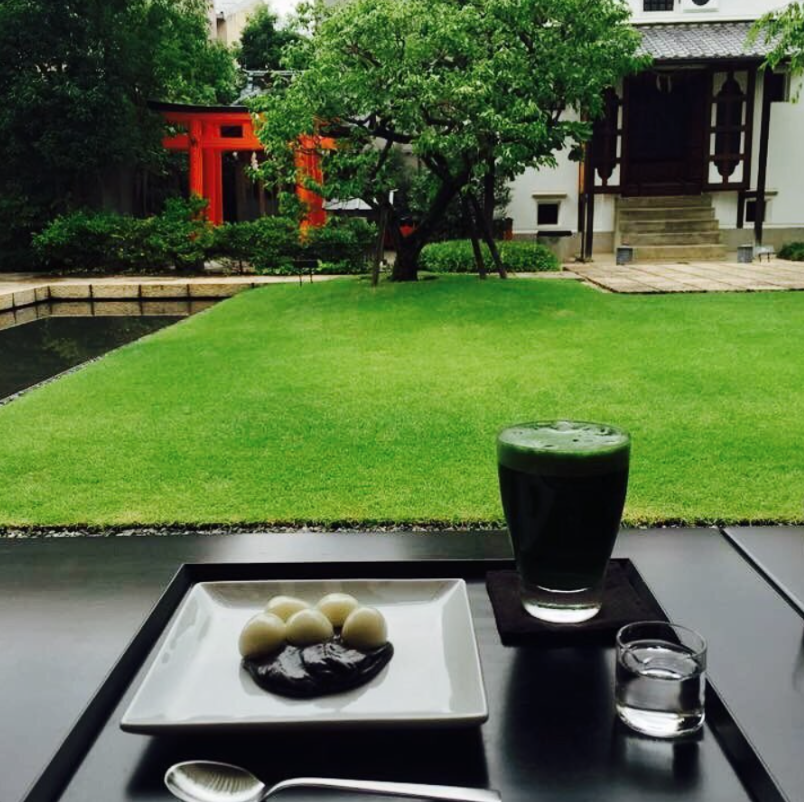
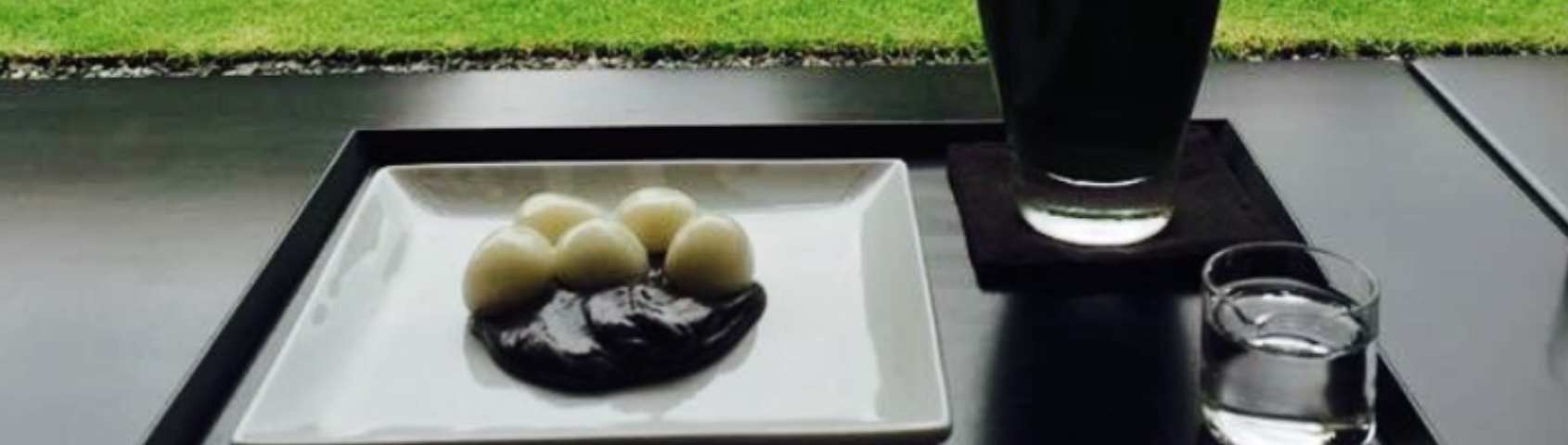
I’m a big fan of matcha, so I chose the “Matcha Glacé (a chilled matcha drink), Sesame Paste and Chilled Shiratama Set (1,430 yen).”
In a space that transcends time and space and evokes a timeless history, surrounded by a pleasant breeze and gentle greenery, I admire the beautiful, minimalist tableware and enjoy the marriage of the bittersweet matcha and the gentle sweetness of the sesame paste. “I am able to cherish this moment right now.” I felt as if the noise in my head was disappearing and my five senses were awakening.
You don’t need to undergo any special training, just drinking tea carefully in this place makes you feel like your mind and body are in perfect harmony.
In today’s world, where information is overflowing and our minds are easily swayed, take a moment to stop and sip a cup of tea. As your distracting thoughts “disappear,” your true self will emerge. Experience the beautiful history and four seasons of Kyoto during this “Kissako” experience. If you have the opportunity to visit Kyoto, be sure to try this “mindfulness condensed with the beauty and deliciousness of Japan.”
For store information, please see: https://www.toraya-group.co.jp/shops/shop-55
*The site’s footer has an English option.